Alexandros G .Sfakianakis,ENT,Anapafeos 5 Agios Nikolaos Crete 72100 Greece,00302841026182

Πέμπτη 28 Ιουλίου 2022

Genetic predisposition & evolutionary traces of pediatric cancer risk: A prospective 5-year population-based genome sequencing study of children with CNS tumors

alexandrossfakianakis shared this article with you from Inoreader
Abstract
Background
The etiology of central nervous system (CNS) tumors in children is largely unknown and population-based studies of genetic predisposition are lacking.
Methods
In this prospective, population-based study, we performed germline whole-genome sequencing in 128 children with CNS tumors, supplemented by a systematic pedigree analysis covering 3,543 close relatives.
Results
Thirteen children (10%) harbored pathogenic variants in known cancer genes. These children were more likely to have medulloblastoma (OR 5.9, CI 1.6-21.2) and develop metasynchronous CNS tumors (p=0.01). Similar carrier frequencies were seen among children with low-grade glioma (12.8%) and high-grade tumors (12.2%). Next, considering the high mortality of childhood CNS tumors throughout most of human evolution, we explored known pediatric-onset cancer genes, showing that they are more evolutionarily constrained than genes associated with risk of adult-onset malignancies (p=5e-4) and all other genes (p=5e-17). Based on this observation, we expanded our analysis to 2 986 genes exhibiting high evolutionary constraint in 141 456 humans. This analysis identified eight directly causative loss-of-functions variants, and showed a dose-response association between degree of constraint and likelihood of pathogenicity - raising the question of the role of other highly constrained gene alterations detected.
Conclusions
∽10% of pediatric CNS tumors can be attributed to rare variants in known cancer genes. Genes associated with high risk of childhood cancer show evolutionary evidence of constraint.
View on Web

Τετάρτη 27 Ιουλίου 2022

Pharmacokinetic and pharmacodynamic simulation for the quantitative risk assessment of linezolid‐associated thrombocytopenia

alexandrossfakianakis shared this article with you from Inoreader
Pharmacokinetic and pharmacodynamic simulation for the quantitative risk assessment of linezolid-associated thrombocytopenia

Utility of safety target achievement rate based on PK/PD simulation for predicting linezolid-induced thrombocytopenia-stratified on the duration of linezolid therapy.


Abstract

What Is Known and Objective

Linezolid (LZD) may cause thrombocytopenia, which can result in discontinuation of treatment. In this study, the blood LZD trough concentration was estimated based on population pharmacokinetic (PK) parameters derived from two previously published models in the Japanese population to determine the rate of achieving the target trough value when the risk of thrombocytopenia is low and to clarify its relationship with the onset of thrombocytopenia.

Methods

This study included adult patients hospitalized at Shimane University Hospital, who received LZD treatment for at least 4 days from January 2010 to December 2017. Patients whose platelet count fell below 70% before LZD administration were categorized as the thrombocytopenic group. Patient PK parameters were calculated based on the population PK models described by Matsumoto et al. and Sasaki et al., and these parameters were designated A and B, respectively. Based on these parameters, the rate of achieving an LZD trough concentration of less than 8 μg/ml, which is the safety target achievement rate, was calculated using a random simulation for each patient. We further analysed the association between the incidence of thrombocytopenia and patient factors, including safety target achievement rate, through univariate, multivariate, and receiver operating characteristic (ROC) analyses.

Results and Discussion

Patients (n = 77) aged 72 ± 11 years and weighing 56.7 ± 10.9 kg, with a creatinine clearance (CLcr) of 60.5 ± 47.2 ml/min and a cirrhosis prevalence of 9.1%, were analysed. All patients received LZD at a dose of 600 mg twice daily for a total of 10.9 ± 8.9 days. Univariate analyses revealed significant differences (p < 0.05) in the duration of LZD therapy, serum creatinine, creatinine clearance, LZD clearance, and the safety target achievement rate for parameters A and B between the thrombocytopenic and non-thrombocytopenic groups. A multivariate analysis of these factors stratified with the cutoff values obtained by ROC analysis revealed that the duration of LZD therapy and the safety target achievement rates for parameters A and B were significant factors (odds ratios for duration of LZD therapy: 7.436 [95% confidence interval (CI): 1.918–28.831] and 4.712 [95% CI: 1.567–14.163]; odds ratio for safe ty target achievement rate: 0.060 [95% CI: 0.016–0.232] and 0.167 [95% CI: 0.056–0.498] for parameters A and B, respectively). When the safety target achievement rates for patients treated with LZD were compared between the thrombocytopenic and non-thrombocytopenic groups, the safety target achievement rate was higher in the non-thrombocytopenic group in both the patients treated with LZD for less than 10 days and those for 10 days or more.

Therefore, the safety target achievement rate estimated by the PK/PD simulation may represent to be an important index for risk assessment of LZD-induced thrombocytopenia.

What Is New and Conclusion

The risk of LZD-induced thrombocytopenia, which increased with the duration of LZD therapy, may be predicted using the safety target achievement rate obtained by the blood concentration simulation.

View on Web

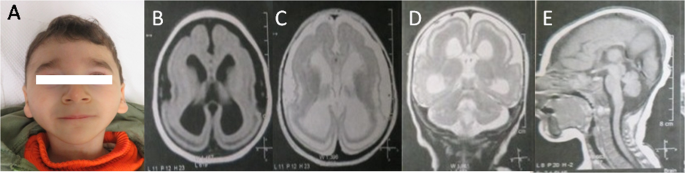
A homozygous loss-of-function variant in BICD2 is associated with lissencephaly and cerebellar hypoplasia

alexandrossfakianakis shared this article with you from Inoreader

10038_2022_1060_Fig1_HTML.png

View on Web

Τρίτη 26 Ιουλίου 2022

Reinfection with SARS‐CoV‐2 in general population,

alexandrossfakianakis shared this article with you from Inoreader

Abstract

To better understand epidemiology of SARS-CoV-2 reinfections, we analyzed national data from South Korea n who were followed longitudinally from January 2020 to April 2022. We conducted a nationwide retrospective cohort study to estimate possible SARS-CoV-2 reinfection rates in all residents in South Korea, with at least two episodes of laboratory-confirmed SARS-CoV-2 infection by reverse-transcriptase polymerase chain reaction (RT-PCR) or rapid antigen test (RAT) performed at least 45 or more days between both episodes, between January 2020 and April 2022. There were 1,6130,855 laboratory-confirmed SARS-CoV-2 cases in South Korea, with 55,841 (346.2 per 100,000; or 0.3% of all infections) were cases of possible reinfections. Reinfection rate has increased from 6.0 cases per 100,000 during Pre-Delta period to 128.0 cases per 100,000 and 355.1 cases per 100,000 during Delta and Omicron periods, respectively. Persons with one dose of vaccination had the highes t reinfection rate of 642.2 per 100,000, followed by unvaccinated persons (536.2/100,000) and two-dose vaccinated persons (406.3/100,000). Our finding suggests the majority of possible reinfections occurred following emergence of new variants.

This article is protected by copyright. All rights reserved.

View on Web

the Incidence and Outcomes of Early-Onset Well-differentiated Neuroendocrine Neoplasms

alexandrossfakianakis shared this article with you from Inoreader
imageObjective: The objective of this study was to evaluate the incidence and outcomes of adults with early-onset (20 to 34 y) diagnosis of well-differentiated neuroendocrine neoplasms. Methods: Surveillance, Epidemiology, and End Results (SEER)-18 database was accessed, and patients with well-differentiated lung or digestive tract neuroendocrine neoplasms diagnosed 2000 to 2018 were reviewed. Annual percent changes (APCs) were calculated for the 3 disease subsites (foregut, midgut, and hindgut) stratified by age group. Kaplan-Meier survival estimates/log-rank testing were used to examine differences in overall survival between the 3 age groups. Multivariable Cox regression analyses were used to evaluate factors affecting overall and cancer-specific survivals. Results: Throughout the study period, patients with early-onset disease (20 to 34 y) have experienced the greatest APC (20 to 34 y: 9.7; 35 to 49 y: 5.4; ≥50 y: 4.1). When APCs were stratified by disease subsite, this difference in APCs appears to be driven by midgut tumors (20 to 34 y: 19.2; 35 to 49: 8.4; ≥50 y: 3.8). Using multivariable Cox regression modeling, the following variables were associated with a higher risk of all-cause death (worse overall survival): male sex (hazard ratio [HR] 1.27; 95% confidence interval [CI]: 1.22-1.31), African American race (HR vs. white race: 1.20; 95% CI: 1.15-1.26), nonhindgut primary (HR foregut vs. hindgut primary: 2.02; 95% CI: 1.91-2.13; HR midgut vs. hindgut primary: 2.09; 95% CI: 1.95-2.24), distant disease (HR vs. regional disease: 2.06; 95% CI: 1.96-2.18), no surgery to the primary (HR: 2.34; 95% CI: 2.24-2.46), and older age (HR: 5.80; 95% CI: 4.87-6.91). Conclusion: Cases of early-onset well-differentiated neuroendocrine neoplasms have disproportionately increased over the past 2 decades (compared with other age groups), and this appears to have been driven mainly by midgut tumors.
View on Web

Depletion of d‐ and l‐asparagine in cerebrospinal fluid in acute lymphoblastic leukemia during PEGasparaginase therapy

alexandrossfakianakis shared this article with you from Inoreader

Abstract

Background

l-Asparaginase hydrolyzes l-asparagine and not its enantiomer d-asparagine. Unlike l-asparagine, d-asparagine is nonessential for the survival of acute lymphoblastic leukemia (ALL) cells. Studies showed that serum asparagine is depleted below 0.5 μM in ≥96% of the patients during pegylated Escherichia coli l-asparaginase (PEGasparaginase) treatment; however, cerebrospinal fluid (CSF) asparagine levels are depleted in only 20%–30% of the patients. Thus far, studies only reported the total CSF asparagine (sum of d- and l-asparagine) concentrations. Data on the pharmacological goal, which is l-asparagine depletion, are lacking.

Method

Therefore, we studied this in 30 patients (95 samples) with newly diagnosed ALL. They received two doses of PEGasparaginase on day 4 and 18 in induction.

Results

Median age at diagnosis was 5.7 years (range 1.5–17.1 years). d-Asparagine and l-asparagine concentrations (median (range)) before PEGasparaginase treatment were 0.038 (0.0–0.103) μM and 6.1 (1.82–11.5) μM, respectively. CSF l-asparagine concentrations were reduced by 85% (76%–100%) and approximately one-third of the patients (32%) had CSF l-asparagine depletion below 0.5 μM 11 days after the second PEGasparaginase dose administration. CSF d-asparagine and l-glutamine levels remained stable before and after administration of PEGasparaginase. The percentage of d-asparagine as a fraction of total asparagine (sum of d- and l-asparagine) was 0.62% before and 4.5% after PEGasparaginase treatment. No correlation was found between higher serum PEGasparaginase activity and CSF l-asparagine concentration.

Conclusion

l-Asparagine is not a better parameter than total asparagine in CSF due to the negligible amount of d-asparagine in the CSF before and after PEGasparaginase treatment.

View on Web

Lifetime exposure to welding fume and risk of some rare cancers

alexandrossfakianakis shared this article with you from Inoreader

aje_ogimage.png

Abstract
We investigated the association between exposure to welding fumes and the risk of biliary tract, male breast, bone, thymus cancer, cancer of the small intestine, eye melanoma, and mycosis fungoides among males in a European, multi-center case–control study. From 1995 to 1997, 644 cases and 1,959 control subjects from seven countries were studied with respect to information on welding and potential confounders. We linked the welding histories of the participants with a m easurement-based exposure matrix to calculate lifetime exposure to welding fumes. Odds ratios (OR) and 95% confidence intervals (CI) were estimated using logistic regression models, conditional on country and 5-year age groups, and adjusted for education and relevant confounders. Regular welding was associated with an increased risk of cancer of the small intestine (OR 2.30, CI 1.17, 4.50). Lifetime exposure to welding fumes above the median of exposed controls was associated with an increased risk of cancer of the small intestine (OR 2.00, CI 1.07, 3.72) and male breast (OR 2.07, CI 1.14, 3.77), and some elevation in risk was apparent for bone cancer (OR 1.92, CI 0.85, 4.34) with increasing lifetime exposure to welding fumes. Welding fumes could contribute to an increased risk of some rare cancers.
View on Web

Δημοφιλείς αναρτήσεις